


3nh: Gloss measurement
Technical information from the manufacturer on choosing and using instruments.
Learn more
Price excl. VAT

Price excl. VAT
Price excl. VAT

Price excl. VAT

Price excl. VAT


Price excl. VAT

Price excl. VAT

Price excl. VAT
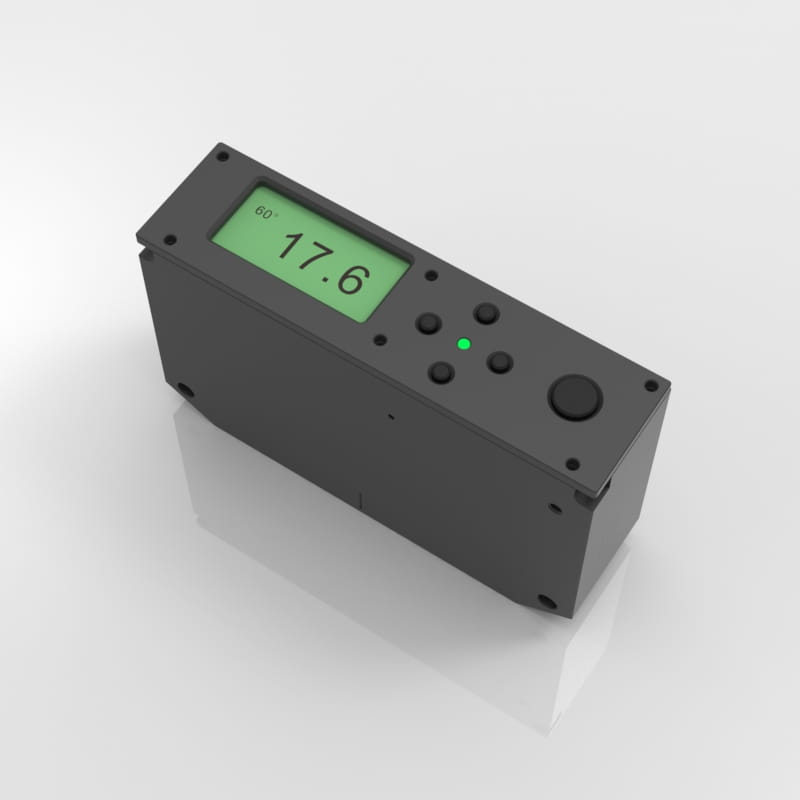
Glossmeters & reflectometers – Glossmeters quantify differences between matt, satin and high-gloss finishes.
ISO 2813 uses 20°, 60° and 85° geometries for suitable non-metallic coatings. 60° is the general starting point, 20° differentiates high and 85° low gloss.
Consider angle, footprint, curvature and reference tile; direction and repeats matter on textured surfaces.
Measure a representative, clean and consistently conditioned area. Define the reference and direction; consider texture, effects, transparency and backing when choosing the method.
Save reference, settings, geometry, location, readings and tolerance. Where appearance is borderline, also use the agreed visual assessment.
Technical information from the manufacturer on choosing and using instruments.
Learn moreTechnical information from the manufacturer on choosing and using instruments.
Learn moreGloss units depend on angle; 20° and 60° results are not directly comparable.
Use the specified clean standards and identical instrument settings. Rotation or several locations may be needed for directional surfaces.
Check aperture and available reference standards, sample holders or standard lighting. Effect finishes may need multi-angle systems.
Tell us surface, reference, geometry and tolerance. We can help select the right equipment.
Send enquiryPlease feel free to contact us by phone or email and we will advise you quickly, competently and without obligation.
+49 7546 3520019
Mon-Fri, 9:00 a.m. - 4:00 p.m