


Mirka sanding pad mesh 81 x 133 mm Grip 46L Medium
Price excl. VAT

Mirka sanding disc Abranet 150mm 5/16" Grip 48L
Price excl. VAT

Mirka sanding disc 225mm 25H Grip LEROS + 8 screws
Price excl. VAT

Mirka sanding disc Abranet 125mm 5/16" Grip 28L
Price excl. VAT


Mirka sanding pad 100x152x152mm Grip 32L Medium
Price excl. VAT
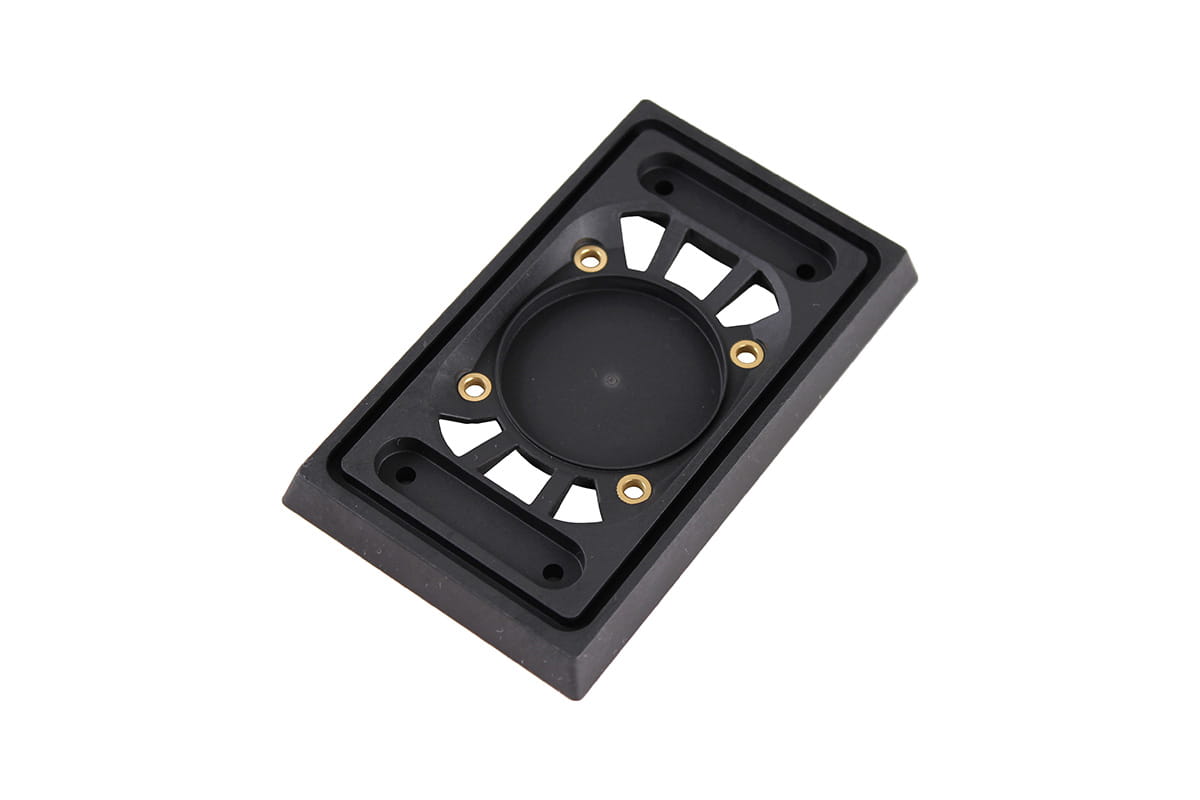

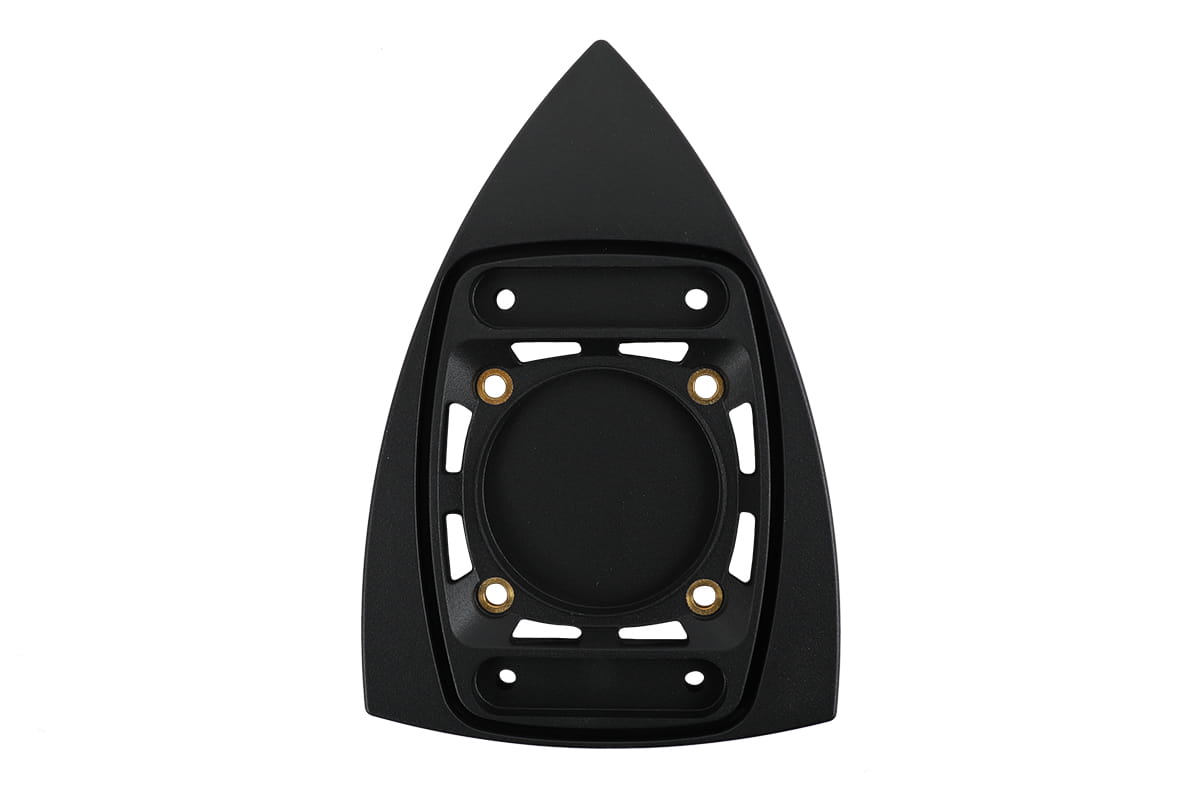
Mirka sanding pad DEOS without grip 100x152x152mm
Price excl. VAT

Mirka sanding pad mesh 70 x198 mm Grip 48L Medium
Price excl. VAT


Mirka extension 81x165mm for DEOS 353CV 50L Medium
Price excl. VAT

Mirka sanding disc UNI 150mm 5/16"+ M8 Grip
Price excl. VAT


Mirka sanding disc Abranet 200mm Grip 89L Medium
Price excl. VAT

Mirka - Accessories | Sanding discs & sanding shoes | Sanding disc MF Ø 150 mm x1 piece
Price excl. VAT

Mirka sanding disc quick lock 32mm grip
Price excl. VAT


Mirka - Accessories | Sanding discs & pads | Sanding disc Ø 150 mm 5/16" thread x1 piece
Price excl. VAT


Mirka sanding disc Quick Lock 32mm PSA
Price excl. VAT


Mirka Backing Pad Quick Lock 32mm PSA Soft CPD 10/Pack
Price excl. VAT


Backing pads & sanding shoes – precise mounting for abrasives and extraction
Backing pads and sanding shoes connect machine and abrasive. Round pads and shaped sanding plates differ in mounting, hardness, dimensions and airflow. Exact matching to the machine model is therefore decisive when replacing or changing them. Do not select by diameter or format alone: attachment, permitted speed and the intended combination with abrasive and interfaces must also match.
Identify machine model and mounting clearly
Take the model designation and, where applicable, generation from the machine. Compare threads, screw positions or other attachment systems with the intended spare-part number. Different pads can have different designs despite similar sizes. Changing to another diameter is permitted only if that combination is approved for the machine.
Determine hardness and shape by sanding objective
Firm and softer versions differ in surface contact. Controlled flat sanding has different requirements from curves or shaped components. Follow the manufacturer's hardness and application description. An additional interface changes the arrangement and must be considered during selection.
Keep hole patterns and dust channels clear
Perforated abrasives, mesh products and interfaces require suitable dust flow through the pad or sanding shoe. Check the whole combination before installation. Unsuitable or closed interfaces can block intended air paths. Clean extraction openings as instructed and also check the onward connection path to the machine.
Identify wear before changing abrasives
Regularly inspect hook-and-loop surface, edges and supporting body for damage or deformation. Poor abrasive adhesion may result from a worn pad. Replace unsuitable or damaged parts instead of improvising extra disc fastening. Disconnect the machine from its power supply according to the operating instructions before replacement.
Manufacturers & system selection
- Mirka – Use the specific compatibility information for pad, interface and abrasive rather than selecting by external dimensions alone.
Guides & resources
Mirka DEROS II: random orbital sanders
Manufacturer information on versions, sanding orbit and machine equipment.
Learn moreFrequently asked questions: backing pads & sanding shoes
Does a backing pad with the same thread automatically fit?
No. Diameter, design, speed approval and machine compatibility must also match. Identical threads alone do not establish a safe or functionally suitable combination.
When must a sanding shoe be replaced?
For significant damage, deformation or a worn attachment surface, and according to maintenance requirements. Also inspect this component when the scratch pattern is uneven.
Can a pad saver repair a defective backing pad?
No. A protective interface can protect an intact hook-and-loop surface but cannot replace a damaged or unsuitable backing pad.
Customer feedback
Enquire about backing pads & sanding shoes now
Have the machine model, pad or shoe dimensions and, if possible, the previous article number ready. This makes spare-part identification unambiguous.
Enquire now