WIWA INJECT HD 3: Safe Injection & Grouting – In Practice
The WIWA INJECT HD 3 is a compact, pneumatic 1K injection device for injecting and grouting low-viscosity epoxy or polyurethane resins. This guide helps you set up the device correctly, adjust it properly (as guidelines), quickly solve typical errors, and operate the system reliably in the long term.

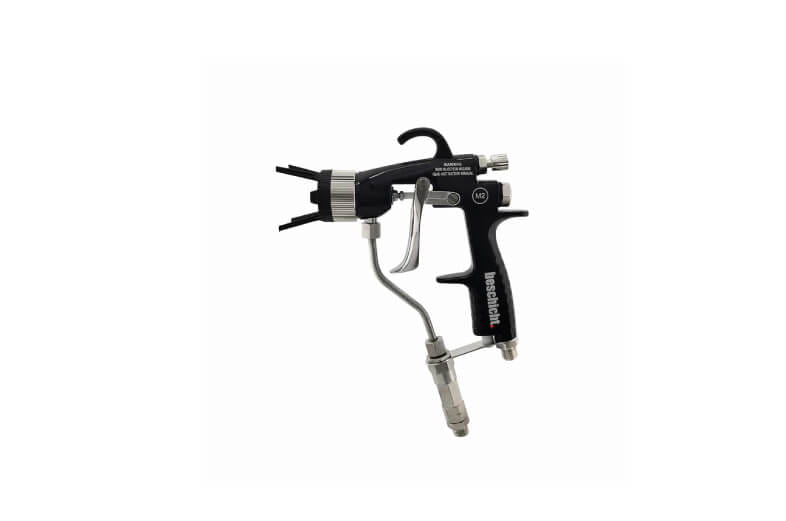
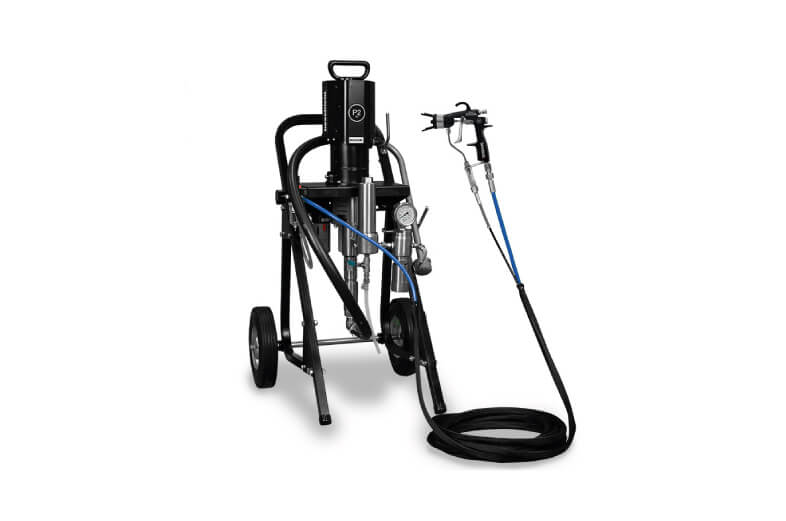
Product Image: WIWA INJECT HD 3 (Shop Asset)
Product Overview: WIWA INJECT HD Series (Classification)
The HD series includes several 1K devices. For HD 1–3, a pneumatic PROFIT piston pump is described, focusing on portable work, low perceptible pulsation, and a maintenance-friendly design. The HD 3 is the compact option with an increased delivery rate compared to HD 1/2.
| Model | Delivery rate / Cycle | Pressure Ratio | Max. Air Inlet | Max. Operating Pressure | Material Container |
|---|---|---|---|---|---|
| HD 1 | 14 cm³ | 33:1 | 8 bar | 264 bar | 1.5 l |
| HD 2 | 14 cm³ | 33:1 | 8 bar | 264 bar | 6 l |
| HD 3 | 27 cm³ | 33:1 | 8 bar | 264 bar | 1.5 l |
| HD 4/5 | 43–72 cm³ | 30–32:1 | 8 bar | 240–256 bar | DAS / 6 l / ASL (depending on version) |
Note: Values summarized from the WIWA Injection/Building-Protection brochure (HD Series Overview & Data).
Recommended Basic Settings (As Guidelines)
The brochure does not specify "fixed" construction site setpoints, but clear technical limits and sensible variables. Therefore, the following points apply as guidelines (depending on material, temperature, and component):
- Air Supply: Finely dose pressure via the compressed air regulator – never exceed 8 bar air inlet.
- Pressure Buildup: Injection pressure is infinitely adjustable; increase step by step until material injects cleanly (not "on suspicion" to maximum).
- Material/Resin: Low-viscosity epoxy or PU resins are mentioned as typical materials for HD devices.
- Safety: Use the safety valve and monitor pressure trends (if necessary via manometer/working method).
- Hose & Connection: Lay the high-pressure material hose (typically 7.5 m) and injection lance with 4-claw coupling cleanly, tightly, and without tension.
Pro Workflow: 6 Steps from Setup to Completion
- Clarify Workspace & Goal: Choose the appropriate injection method (e.g., crack injection, cavity filling, subsequent horizontal barrier).
- Set Up Device: Mount air pressure regulator, safety valve, high-pressure hose, and injection lance; check couplings.
- Prepare Material: Condition resin according to manufacturer instructions (observe temperature/pot life), fill into the container/hopper.
- Connect & Start Up: Start with low air supply, stabilize material flow; then connect to the packer/injection point (4-claw system).
- Inject / Grout: Increase pressure infinitely only until the resin flows cleanly. Observe progress (the slow stroke movement helps "read" the process).
- Relieve Pressure & Finish: Finish injection point, depressurize system, release coupling. Then clean/preserve (release agent/solvent according to material specifications).
Troubleshooting: 4 Typical Problems (with Immediate Actions)
- Check air supply: regulator correctly set, couplings tight, air supply stable.
- Check material supply: container level, intake/feed path clear, no air intake.
- Check connection: 4-claw coupling fully locked, hose not kinked.
- Reduce pressure slowly and restart (infinitely adjustable).
- Check packer/borehole: seat, passage, possible "blockage" at the injection point.
- Check material: pot life/temperature; if reaction is too fast, adjust working method.
- Relieve pressure immediately (use safety/relief function) and then seal/reconnect.
- Check sealing surfaces/seals, clean dirty couplings.
- Lay hose routing without tension, avoid abrasion points.
- Streamline workflow: only mix material in required quantities (follow material manufacturer specs).
- Flush/preserve promptly after job completion (release/cleaning agent according to material).
- Rely on maintenance-friendly design: regularly check screw connections/components.
Maintenance (5 Points for Permanently Reliable Operation)
- Lubrication/Protection: Use lubricants/release agents sensibly; the design with a closed lubrication chamber protects seals and piston rod.
- Seals & Packings: Ensure tightness (especially at coupling, lance, hose); replace wear parts early.
- Keep Material Paths Clean: Clean after use so that no residues harden and narrow cross-sections.
- Check Compressed Air Side: Regulators/fittings tight, air clean and dry (constant controllability).
- Frame/Handling: Transport device securely; store hoses and lance protected (avoid kinks/impacts).
FAQ for the WIWA INJECT HD 3 (Practical)
CTA: Equip yourself now (max. 2 buttons)
If you use the HD 3 regularly, a clean, complete equipment setup is worthwhile (regulator, hose, lance/coupling, matching wear and accessory parts). Find the device directly in the shop here:
Conclusion
The WIWA INJECT HD 3 is a compact, robust solution for injecting and grouting low-viscosity 1K resins. With controlled pressure buildup (infinitely variable) and a clean accessory setup (regulator, hose, 4-claw coupling/lance), you achieve reproducible results, reduce downtime – and have typical sources of error quickly under control.